src="files/perser_pictures.jpg">
Breed Guide: Persian Cat
The Persian Cat is one of the most popular and best-known cat breeds worldwide. With its charming face, dense coat, and calm personality, it's a wonderful addition to any family.
The Origin of Persian Cats
The Persian Cat has a long history that dates back to ancient Persia. There, it was known as the "Iranian Cat" and was a favorite of Persian nobility. In the 19th century, Persian Cats were introduced to Europe and quickly gained popularity. Over the years, the breed has undergone some changes, particularly regarding its facial structure, but its popularity has remained to this day.
The Persian Cat is one of the most popular and best-known cat breeds worldwide. With its charming face, dense coat, and calm personality, it's a wonderful addition to any family.
The Origin of Persian Cats
The Persian Cat has a long history that dates back to ancient Persia. There, it was known as the "Iranian Cat" and was a favorite of Persian nobility. In the 19th century, Persian Cats were introduced to Europe and quickly gained popularity. Over the years, the breed has undergone some changes, particularly regarding its facial structure, but its popularity has remained to this day.
Physical Characteristics of the Persian Cat
The Persian Cat is a medium to large breed with a sturdy build. It has short legs and a broad, round head with large, round eyes and a flat nose. The coat is long, silky, and dense, and can come in many different colors and patterns. A characteristic feature of the Persian Cat is its flat face with a very short muzzle. This gives it a "stocky" appearance.
Personality of the Persian Cat
Persian Cats have a calm and relaxed personality. They're known for their affection and loving nature toward their owners, but they can also be stubborn and lazy. Persian Cats aren't very active and prefer quiet environments, which makes them perfect companions for older people or those who spend a lot of time at home. They're very playful when they want to be and enjoy interacting with their owners.
Caring for the Persian Coat
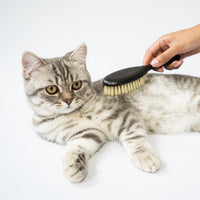
The dense, silky Persian Cat coat requires regular care to keep it clean and free of tangles. Daily brushing and combing of the coat is necessary to keep it in good condition.
Persian Cats are also prone to eye and ear problems, as they tend to develop tear stains and wax buildup. It's therefore important to regularly clean the Persian Cat's eyes and ears and watch for signs of infection or inflammation.
Physical Characteristics of the Persian Cat
The Persian Cat is a medium to large breed with a sturdy build. It has short legs and a broad, round head with large, round eyes and a flat nose. The coat is long, silky, and dense, and can come in many different colors and patterns. A characteristic feature of the Persian Cat is its flat face with a very short muzzle. This gives it a "stocky" appearance.
Personality of the Persian Cat
Persian Cats have a calm and relaxed personality. They're known for their affection and loving nature toward their owners, but they can also be stubborn and lazy. Persian Cats aren't very active and prefer quiet environments, which makes them perfect companions for older people or those who spend a lot of time at home. They're very playful when they want to be and enjoy interacting with their owners.
Caring for the Persian Coat
The dense, silky Persian Cat coat requires regular care to keep it clean and free of tangles. Daily brushing and combing of the coat is necessary to keep it in good condition.
Persian Cats are also prone to eye and ear problems, as they tend to develop tear stains and wax buildup. It's therefore important to regularly clean the Persian Cat's eyes and ears and watch for signs of infection or inflammation.
Cost and Acquiring a Persian Cat
If you're considering a Persian Cat as a pet, you should be aware of the costs involved. Persian Cats are a rather expensive breed and can cost between 500 and 2000 euros, depending on the breeder and origin. It's extremely important to buy only from reputable breeders and to take your time finding the right breeder and the right cat. There are also many animal shelters that offer Persian Cats for adoption. The costs for this are usually lower than with a breeder, but it can be difficult to find a Persian Cat at a shelter.
Hereditary Diseases and Health Risks
As with all breeds, Persian Cats can suffer from certain hereditary diseases and health problems. Some of the most common health issues in Persian Cats are breathing problems due to their flat facial structure, kidney problems, heart disease, and dental problems. It's important to keep an eye on your Persian Cat's health and have regular veterinary check-ups to identify and treat potential problems early. If you want to buy a Persian Cat, you should make sure it comes from a reputable breeder who keeps an eye on the health of the parent animals as well as the kittens.
Is a Persian Cat the Right Choice for You?
The Persian Cat is a wonderful addition to any family looking for a calm and affectionate cat. With its distinctive appearance and unique personality, it quickly becomes a loyal companion and beloved pet. With the right care and attention, it will feel right at home with you.
Cost and Acquiring a Persian Cat
If you're considering a Persian Cat as a pet, you should be aware of the costs involved. Persian Cats are a rather expensive breed and can cost between 500 and 2000 euros, depending on the breeder and origin. It's extremely important to buy only from reputable breeders and to take your time finding the right breeder and the right cat. There are also many animal shelters that offer Persian Cats for adoption. The costs for this are usually lower than with a breeder, but it can be difficult to find a Persian Cat at a shelter.
Hereditary Diseases and Health Risks
As with all breeds, Persian Cats can suffer from certain hereditary diseases and health problems. Some of the most common health issues in Persian Cats are breathing problems due to their flat facial structure, kidney problems, heart disease, and dental problems. It's important to keep an eye on your Persian Cat's health and have regular veterinary check-ups to identify and treat potential problems early. If you want to buy a Persian Cat, you should make sure it comes from a reputable breeder who keeps an eye on the health of the parent animals as well as the kittens.
Is a Persian Cat the Right Choice for You?
The Persian Cat is a wonderful addition to any family looking for a calm and affectionate cat. With its distinctive appearance and unique personality, it quickly becomes a loyal companion and beloved pet. With the right care and attention, it will feel right at home with you.