src="files/gelderland_pictures.jpg">
Helping stray cats: The important work of Katzenhilfe Gelderland
Neutering, caring for, placing: How volunteers on the Lower Rhine help feral house cats – and why every bit of support can save lives.
Why Helping Stray Cats Is So Important
An estimated several million feral domestic cats live in Germany, fighting to survive every day. Food shortages, illness, and a lack of medical care are part of sad, everyday reality for many of these animals. The situation is especially tragic for pregnant cats, nursing mothers, and their kittens. Many young cats don't even reach adulthood.
A key reason for this suffering is uncontrolled breeding. Unneutered cats can have several litters per year – causing the stray cat population to grow quickly. This is exactly where the work of Katzenhilfe Gelderland comes in.
The volunteer-run association is active in the greater Geldern area on the Lower Rhine to reduce the suffering of feral domestic cats. The most important measure is the neutering of free-roaming cats, to prevent further animal suffering through uncontrolled offspring.
But the work doesn't stop there. Orphaned kittens or mother cats are taken in, lovingly cared for, and looked after in foster homes until they're ready to move into a new home. The goal is always not just to give the animals medical help, but to give them a real future too – in a safe home with people who love them.
Why Helping Stray Cats Is So Important
An estimated several million feral domestic cats live in Germany, fighting to survive every day. Food shortages, illness, and a lack of medical care are part of sad, everyday reality for many of these animals. The situation is especially tragic for pregnant cats, nursing mothers, and their kittens. Many young cats don't even reach adulthood.
A key reason for this suffering is uncontrolled breeding. Unneutered cats can have several litters per year – causing the stray cat population to grow quickly. This is exactly where the work of Katzenhilfe Gelderland comes in.
The volunteer-run association is active in the greater Geldern area on the Lower Rhine to reduce the suffering of feral domestic cats. The most important measure is the neutering of free-roaming cats, to prevent further animal suffering through uncontrolled offspring.
But the work doesn't stop there. Orphaned kittens or mother cats are taken in, lovingly cared for, and looked after in foster homes until they're ready to move into a new home. The goal is always not just to give the animals medical help, but to give them a real future too – in a safe home with people who love them.
Volunteer Work That Saves Lives
The work of Katzenhilfe Gelderland wouldn't be possible without commitment and support. The association is funded exclusively through donations, because neutering, veterinary treatment, medication, food, kitten milk, and cat litter all come with considerable costs.
What many people don't know: behind every rescued cat are countless hours of volunteer work.
This includes, for example:
- trapping feral cats
- trips to the vet
- medical care
- care in foster homes
- placement with new families
All these tasks are organised and carried out by dedicated volunteers – freely given and with a great deal of heart.
Anyone who wants to help can do so in various ways:
- as a foster home for cats or kittens
- as a helper during trapping campaigns
- through trips to the vet
- through monetary or in-kind donations
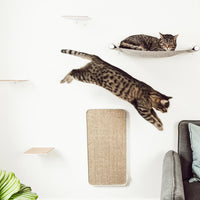
In-kind donations such as cat food, litter, scratching furniture, or toys are especially welcome – things that foster homes constantly need in everyday life.
And one more important message: every cat with outdoor access should be neutered, microchipped, and registered. In many cities and municipalities, this is now even mandatory – and it helps prevent new animal suffering.
Volunteer Work That Saves Lives
The work of Katzenhilfe Gelderland wouldn't be possible without commitment and support. The association is funded exclusively through donations, because neutering, veterinary treatment, medication, food, kitten milk, and cat litter all come with considerable costs.
What many people don't know: behind every rescued cat are countless hours of volunteer work.
This includes, for example:
- trapping feral cats
- trips to the vet
- medical care
- care in foster homes
- placement with new families
All these tasks are organised and carried out by dedicated volunteers – freely given and with a great deal of heart.
Anyone who wants to help can do so in various ways:
- as a foster home for cats or kittens
- as a helper during trapping campaigns
- through trips to the vet
- through monetary or in-kind donations
In-kind donations such as cat food, litter, scratching furniture, or toys are especially welcome – things that foster homes constantly need in everyday life.
And one more important message: every cat with outdoor access should be neutered, microchipped, and registered. In many cities and municipalities, this is now even mandatory – and it helps prevent new animal suffering.
When Support Reaches Cats Directly
Recently, an in-kind donation from LucyBalu reached the foster cats of Katzenhilfe Gelderland.
Especially shy newcomers first look for a safe retreat. The felted PEBBLE cat caves offer an ideal spot for that. Many cats hide inside until they've built up trust – others simply use the caves as a cosy sleeping spot or calmly watch what's going on from above.
The scratching boards are now also in use at two foster homes, giving the cats new opportunities to sharpen their claws. For an association with constantly changing charges, it's especially practical that the frame is easy to clean and the scratching element can be replaced.
Another highlight was the low-dust TOFU cat litter. Especially for cats whose airways are sensitive due to infections or illness, low-dust litter is particularly pleasant. And because it's so light, it makes everyday life easier for the foster homes too.
The Matatabi sticks were also a big hit — an exciting change of pace that the cats played with and nibbled on extensively.
Every donation – big or small – helps give the foster cats a little more quality of life and makes the important work of Katzenhilfe Gelderland possible.
When Support Reaches Cats Directly
Recently, an in-kind donation from LucyBalu reached the foster cats of Katzenhilfe Gelderland.
Especially shy newcomers first look for a safe retreat. The felted PEBBLE cat caves offer an ideal spot for that. Many cats hide inside until they've built up trust – others simply use the caves as a cosy sleeping spot or calmly watch what's going on from above.
The scratching boards are now also in use at two foster homes, giving the cats new opportunities to sharpen their claws. For an association with constantly changing charges, it's especially practical that the frame is easy to clean and the scratching element can be replaced.
Another highlight was the low-dust TOFU cat litter. Especially for cats whose airways are sensitive due to infections or illness, low-dust litter is particularly pleasant. And because it's so light, it makes everyday life easier for the foster homes too.
The Matatabi sticks were also a big hit — an exciting change of pace that the cats played with and nibbled on extensively.
Every donation – big or small – helps give the foster cats a little more quality of life and makes the important work of Katzenhilfe Gelderland possible.